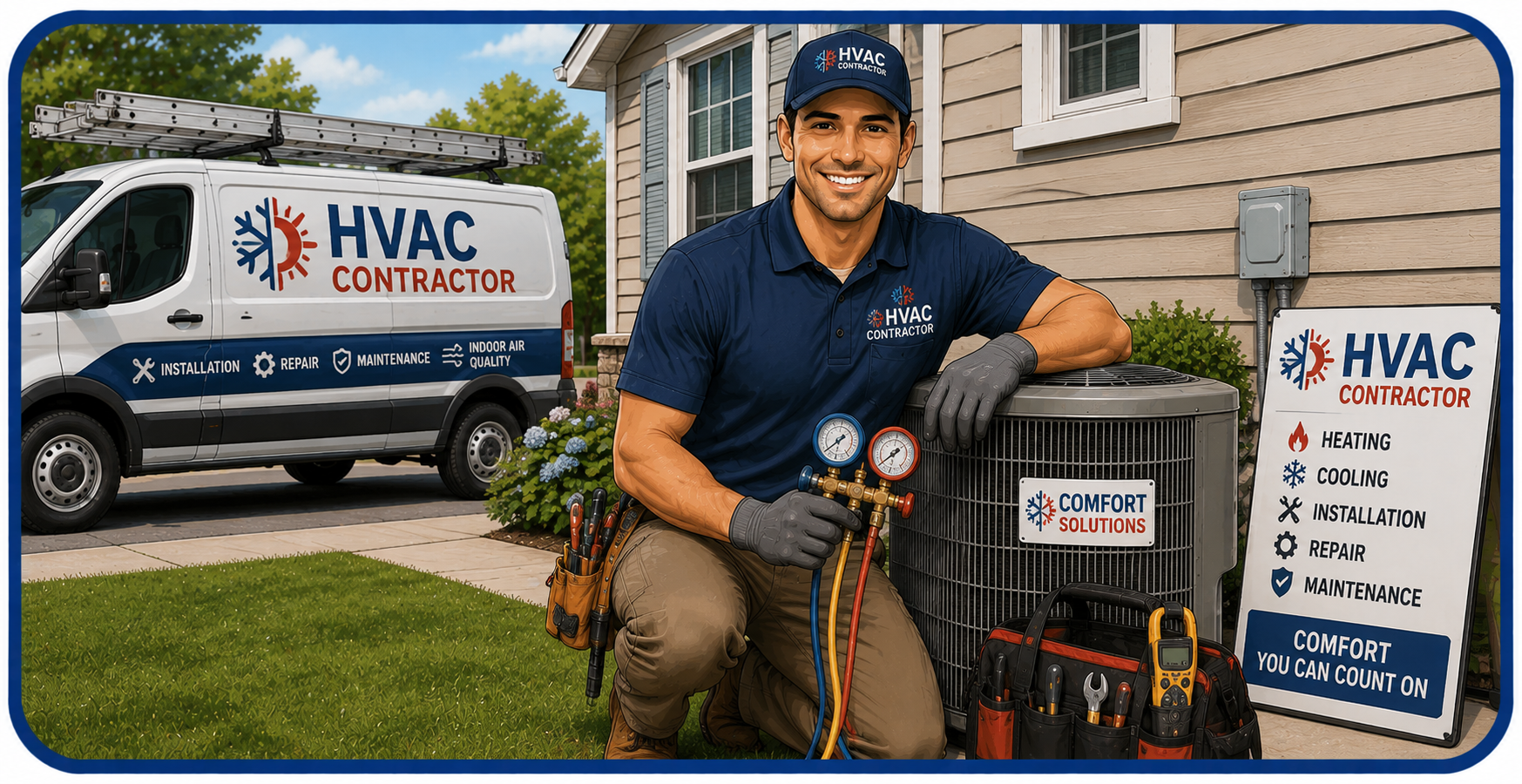
We fix what's broken, fast, and we don't disappear after the invoice. Emergency dispatch available across Rescue and the surrounding zip codes.
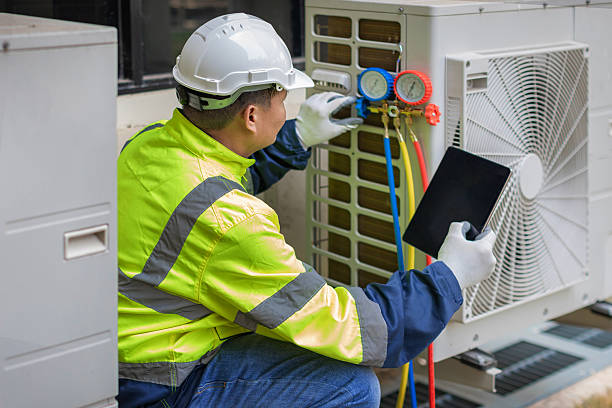
No automated menus for emergencies — a real person handles the call.
Ask as many questions as you want; we'd rather over-explain than leave you unsure.
Most repairs are completed same-visit, and we test the system before we leave to confirm it's actually holding.
Leonard HVAC was built by technicians who got tired of watching homeowners get oversold. We invest in ongoing training so our techs recognize a failing capacitor, a cracked heat exchanger, or a refrigerant leak before it turns into an emergency.
We're not interested in being the cheapest quote on the page — we're the crew that answers the phone at 2am when your furnace quits in the middle of a cold snap. Licensing and insurance aren't optional line items for us, and we keep that documentation available on request for every job, routine or emergency.
Being local matters more than most companies let on. That local knowledge shapes the parts we stock on the truck — it's the difference between a tech who's guessing and a tech who's seen your exact situation a hundred times before.
Trust in this industry gets eroded fast, and it takes real consistency to earn it back. That's the gap we built Leonard HVAC to close. We'd rather lose a job to a lower bid than win one by cutting corners on the diagnosis, because a customer who trusts us once tends to call us again — and Rescue is a small enough community that reputation travels fast.
That local context saves time on every call, because we're not starting from zero on basic questions about your neighborhood or your system. Our warranty and service history records stay attached to your address, so any future technician who visits already has the full picture.
We cover the full range of heating, cooling, and air quality work Rescue properties actually need.
Breakdowns rarely happen at a convenient time, which is exactly why our emergency line runs 24 hours a day. Our Rescue dispatch team moves emergency tickets to the front of the schedule so a technician is diagnosing your system as fast as physically possible.
If a specialty part genuinely does need to be ordered, we'll set up a safe temporary fix and give you a real timeline instead of leaving you guessing.
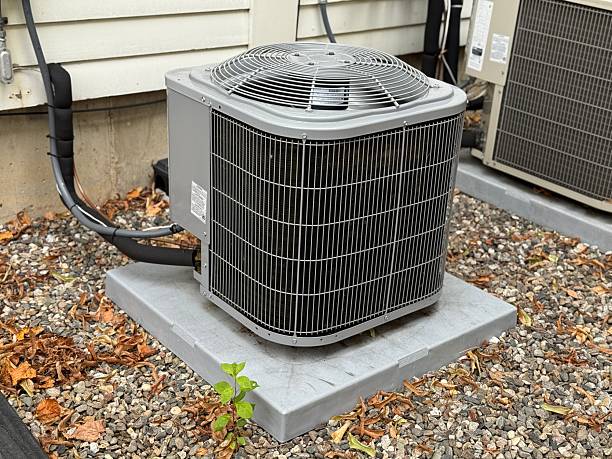
Not every repair call ends in a repair — sometimes the honest recommendation is a properly sized replacement. We walk Rescue homeowners through efficiency ratings and how they translate into real monthly savings before a single piece of equipment gets ordered.
We protect floors and entryways during the install and haul away the old equipment so you're not left dealing with disposal.
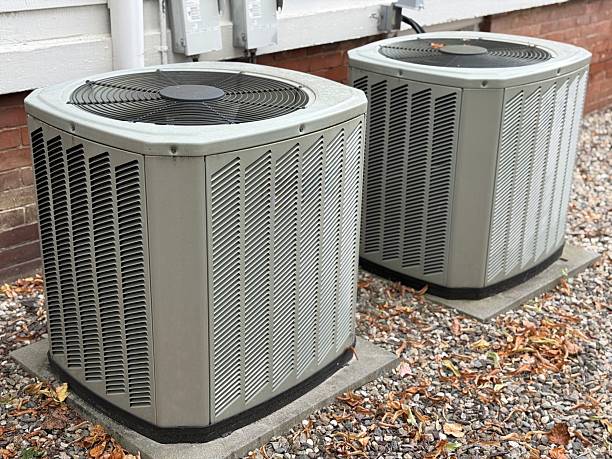
A retail floor, a restaurant kitchen, or an office suite can't run without stable climate control. Our commercial division services light industrial and warehouse ventilation across Rescue, with after-hours work to avoid disrupting business.
Property managers working with multiple Rescue locations can set up a standing account so every site gets consistent service history and pricing.
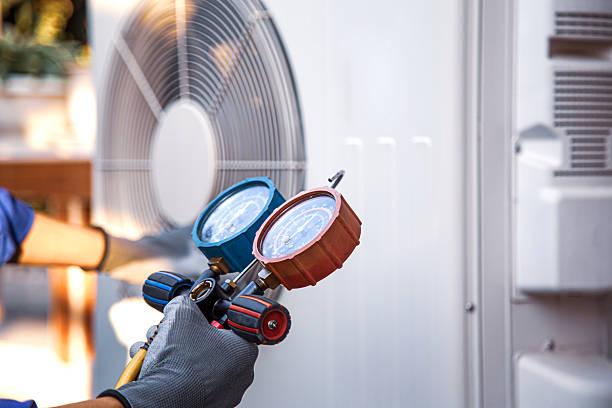
Preventive maintenance is the cheapest repair you'll ever pay for, because it's the one that prevents the bigger bill. Beyond standard tune-ups, we also handle indoor air quality upgrades for homes with allergy or asthma concerns for Rescue households that want more than just temperature control.
We'll show you photos of anything concerning we find, along with a plain-language explanation of what it means and whether it's urgent.
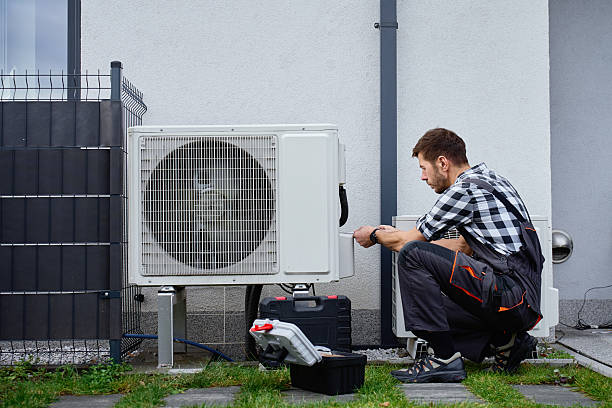
Guarantees only mean something if a company actually honors them, so here's exactly what ours covers.
Details vary by job type and are always shared upfront, never buried in fine print.
Emergency dispatch never comes with a hidden surcharge sprung on you after the fact.
A technician doesn't consider the job done until the system is tested and performing correctly.
Catching these signs early usually means a same-day repair instead of an emergency call at the worst possible moment.
Rattling during startup often means a component has worked itself loose and needs tightening before it causes real damage.
Weak airflow from the vents often traces back to a clogged filter, a failing blower motor, or leaking ductwork.
A system working harder than it should to hit the same temperature shows up directly on your utility bill.
Short cycling puts extra wear on the compressor and shortens the system's overall lifespan.
A musty smell often points to mold or moisture buildup somewhere in the ductwork.
Repeated repairs on an aging system are usually the clearest sign that replacement will save more money than another patch job.
We explain diagnostic fees and repair estimates before authorizing work.
Because our trucks are stationed near Rescue, we're rarely far from your address.
We don't consider a job finished until the system is actually performing correctly.
Every technician carries current state licensing and manufacturer training.
We explain what failed, why it failed, and what the options are.
Replacement systems don't have to be paid in one lump sum.
We don't write these — our customers do.
"Our AC quit on the hottest weekend of the year and they had a tech out within a couple of hours. No pressure to buy a whole new system when a repair was all we needed."
"Scheduled a fall tune-up and they caught a cracked part before it became a real problem. Never once felt like I was being upsold on something I didn't need."
"Had a full system replacement done and it was the smoothest home project I've had in years. Followed up a week later just to check everything was still running fine."
"Commercial dispatch was quick and the tech understood our system without needing to be walked through it. Now our go-to for every property in the portfolio."
"The estimate matched the final invoice exactly, down to the dollar. Installation crew was in and out in a day and left the space cleaner than they found it."
"The tech walked me through what he was checking as he went, which I really appreciated. Genuinely relieved to have found a crew that answers when it matters."
None of these are unusual or embarrassing — they're just the normal wear and tear that comes with running a system through Rescue's seasonal swings.
The shift between peak heating and peak cooling demand is exactly when older or neglected equipment tends to fail. Filters should be checked monthly during heavy-use seasons and replaced roughly every 60-90 days depending on your household and any pets.
Simple habits between professional visits also matter. None of this replaces a professional tune-up, but it does reduce the wear that leads to premature breakdowns between visits.
Whether your Rescue home has a traditional split system, a ductless mini-split, a heat pump, or a hybrid dual-fuel setup, our crews are equipped to diagnose and repair it. If your system was installed by a different company entirely, that's not a problem — we service equipment regardless of who originally put it in, and we'll pull the model and serial information to confirm parts compatibility before any repair begins.
Every tech on our Rescue roster goes through background checks, licensing verification, and ongoing manufacturer training.
Over a decade in residential heating and cooling, with a focus on load calculations and full system replacements.
Known for fast, accurate diagnostics on no-heat and no-cool breakdowns.
Works directly with Rescue property managers to schedule around business hours.
Because our trucks are staged near Rescue, average arrival windows run faster than what national chains typically offer.
Yes — every job gets a clear quote before any repair work begins, so there are no surprise line items on the invoice.
We staff after-hours dispatch specifically because HVAC failures rarely happen on a convenient schedule.
Every technician we send is licensed in accordance with Rescue, CA requirements and carries full liability coverage.
Our technicians walk you through the actual numbers — repair cost versus remaining system life versus new equipment efficiency — before making a recommendation.
Plan members typically see fewer surprise breakdowns because small issues get caught during routine visits.
If you're unsure whether your address falls in our service area, a quick call to +1-866-805-8548 will confirm it.
Property managers and business owners can request a dedicated point of contact for ongoing service.
Yes, we service systems regardless of who originally installed them.
Ask about financing during your in-home estimate to see what fits your situation.
Twice-yearly maintenance is the standard we recommend given the temperature swings the area sees.
Beyond basic safety checks, it's best to leave diagnosis to a licensed technician rather than attempting a repair yourself.
Ask about current after-hours rates when you call +1-866-805-8548.
Most standard repairs are completed in under two hours once the technician has diagnosed the issue and you've approved the quote.
For most residential visits, yes, an adult should be present to grant access and approve any quoted work.
Our technicians are familiar with both, which means less time spent figuring out your specific setup and more time actually fixing the problem.
Larger properties get the same upfront pricing and licensed technicians as a single-family service call, just coordinated at scale.
We accept standard payment methods for repairs and smaller jobs, and we'll always tell you upfront what a given service is likely to cost so there's no last-minute scramble to figure out payment. If a rebate or local incentive program applies to your Rescue installation, our technicians will flag it during the estimate rather than leaving you to track it down after the fact.
Coverage extends across Rescue proper and into the nearby zip codes listed below.
If you're on the edge of our listed zip codes, it's still worth a call, since routes and coverage get adjusted as demand shifts.